

The beauty industry is worth £552 billion and growing.
Today it’s going through one of its most monumental shifts, so I sat down with global futurist Sophie Maxwell, whose job is to track where consumer behaviour is heading before the rest of the industry catches up, to talk through what’s driving the change, where design fits into it, and what she expects to land over the next 18 months.
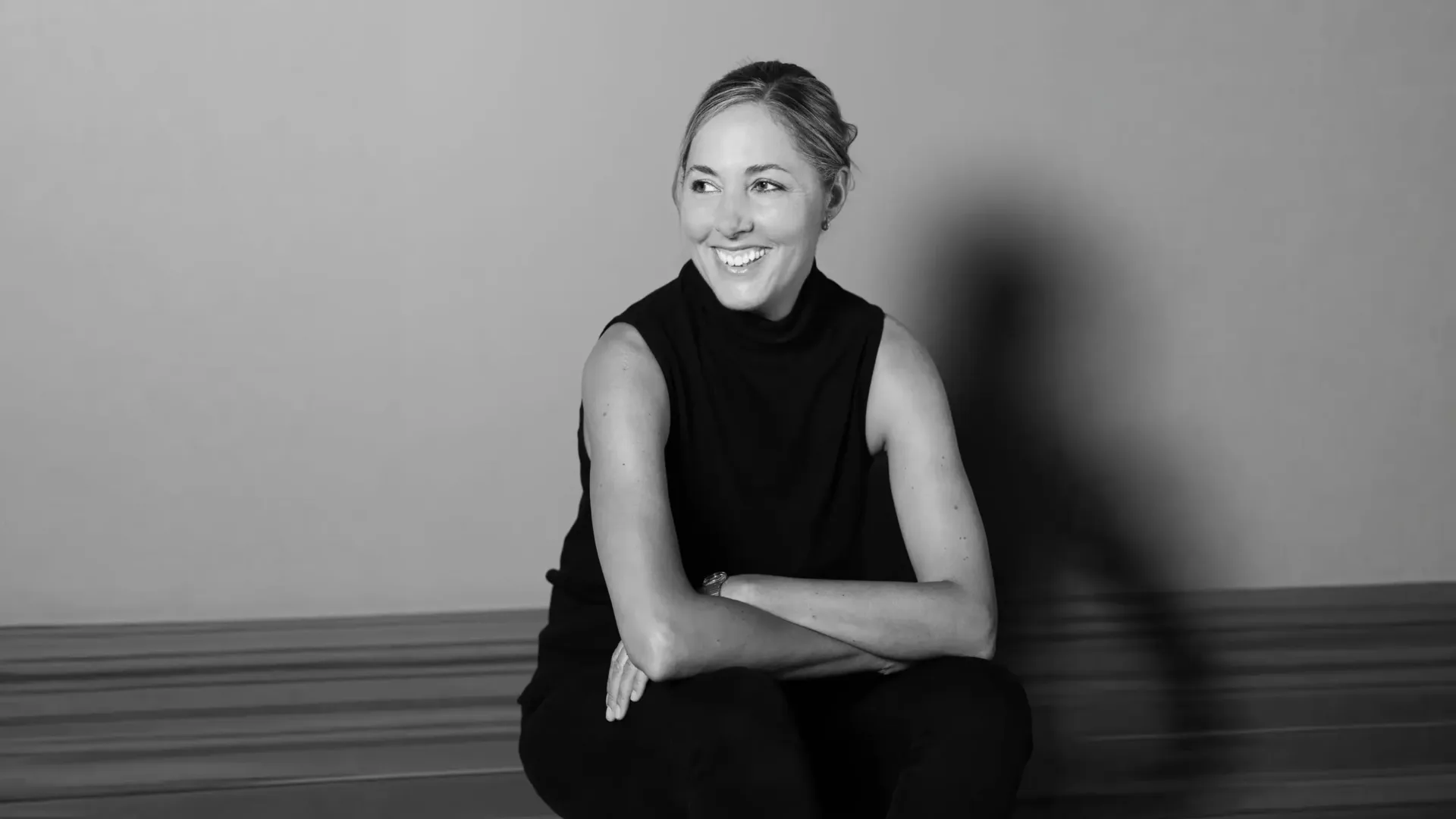
Sophie Maxwell is a Partner at WeWantMore and a global speaker on cultural change, specialising in the future of beauty, wellness and longevity. Working at the intersection of brand strategy and cultural intelligence, she helps businesses understand the evolving expectations of modern consumers and build experiences designed for long-term relevance. Sophie has worked with brands including Soho House and Emaar and has been recognised by Forbes as one of the world’s top Female Futurists.
Emily Keogh: What’s actually changing in beauty now, and where do you see it heading?
Sophie Maxwell: For a long while, beauty has been rewarding restraint. The “glazed donut” era goes beyond an aesthetic to a mood, or a commitment dressed up as effortlessness. The industry was quiet and expensive looking, but felt like it had literally “glazed over”.
Brands like Rhode have built an audience that feels genuinely committed to seeing results, and to understanding how their skin actually functions. The intelligence driving that wave, which includes a focus on skin longevity, cellular resilience and biotechnological actives that work deep within the skin — was an important shift, and that thinking is now accelerating. What’s ending is the self-effacing, beige aesthetic it wore that seemed to define the category .
We are predicting that the next era will keep the science but the emotion it evokes and how the message is delivered from a brand perspective will change.
Emily Keogh: Why is going more than skin deep suddenly so important to global beauty consumers?
Sophie Maxwell: The want was always there: not just for the reintroduction of colour, texture and scent, but for a point of view, for transparency, for trust in what we’re putting on our skin and into our bodies. Underneath it, something more fundamental is shifting: a post-anxiety generation that wants permission to actively feel good again, to exist on a higher vibration. They’re directing their spending accordingly.
The most interesting new brands are actively identifying needs that already existed but weren’t being met, blind spots the category had long ignored. The backlash to complexity was of course inevitable. What’s notable is the precision with which the emerging brands have diagnosed exactly what was missing.
Emily Keogh: How does design play a role in industry direction?
Sophie Maxwell: Marc Jacobs Beauty’s return is a good example, because it answers a want the beige era actively suppressed: self-expression without apology. The packaging builds a complete design language from the ground up. For example, a daisy for complexion, a star for eyes, a heart for lips, and each one transforming an everyday essential into a collectible object. Coty’s own framing of the relaunch was that they “saw an opportunity to offer something deliberately different: bold colour, unexpected textures, and a sensorial, fashion-led experience.” And I loved what Jacobs himself said: “I am not interested in one right way to look.” He’s arguably always been a provocateur but perhaps the difference now is the category is finally ready to hear it.
When we look at it from a data led research angle, Mintel frames it as sensorial beauty: routine as emotional regulation, not just maintenance. That’s formulation intelligence with fewer steps, or otherwise put, progressive actives that are genuinely pleasurable to use. Texture as a design decision. Fragrance as emotional architecture. You see the same instinct in YOM Beauty’s visual world that We Want More designed: hyperreal dreamscapes of starry galaxies and cosmic constellations, flavour rendered so vivid and tactile it’s almost edible. The design does exactly what the brand promises, it makes you want to taste it.
Emily Keogh: Are there particular brands you’re watching that show where this is heading?
Sophie Maxwell: The Ordinary got there early: it built an entire brand on calling out the industry’s own jargon and mistruths, taking direct aim with the Periodic Fable campaign. The message was that the industry had taught beauty wrong. But naming the problem is only the first move. The brands I find more interesting now are the ones solving it.
ROCCO is a good example because it was born from Laura Jackson’s frustration that routines had become overwhelming and disconnected from how they actually made you feel. It’s built on a neurocosmetic philosophy that treats mood regulation as inseparable from skin efficacy: every product carries a signature scent designed to deliver an uplifting hit on use, refillable formats keep sustainability central without sacrificing the pleasure of the product, and the brand is built to be in genuine conversation with the people who use it. As Jackson puts it: “How you feel in your skin is just as important as how it looks.”
YOM Beauty has done something similarly sharp for lip care, built on the insight that lips aren’t just a surface, they’re a portal, so whatever goes on them needs to meet both cosmetic and food-grade standards. They’ve backed that with independently verified microplastic-free certification through Flustix, which moves well beyond self-declared “clean” claims.
Emily Keogh: As a futurist, your job is to map human behaviour and the wants behind it, then chart where you think the trends will land. What are the biggest moments for beauty you see coming over the next 18 months?
Sophie Maxwell: Watch the M&A activity closely because it’s where the logic of all this becomes obvious. The brands commanding the highest acquisition values right now are literally selling mood states. The ones getting bought are the ones that named a feeling people already had and built a world around it. Operational discipline of course always underlies all of it. But so does feeling.
I’d also watch the regulatory horizon. Microplastics in cosmetics are a live legislative risk across the EU, and brands that have got ahead of it: YOM’s proactive Flustix certification is a good example – are ahead of the curve, rather than reactive when that lands. Expect more brands to move on third-party verification before they’re forced to.
Emily Keogh: If you had to leave brands with one piece of advice right now, what would it be?
Sophie Maxwell: Beauty is a high-growth category, but the brands that win it will be the ones that build a world people want to live in. Real beliefs, real behaviours, a community that keeps coming back because the product keeps delivering on the feeling it promised.
The product can be joyful, but the ingredient list has to be trustworthy. Looking good and feeling good should never have been in conflict and this is what is being course corrected now.
